Our Evolutionary Disconnect from Nature
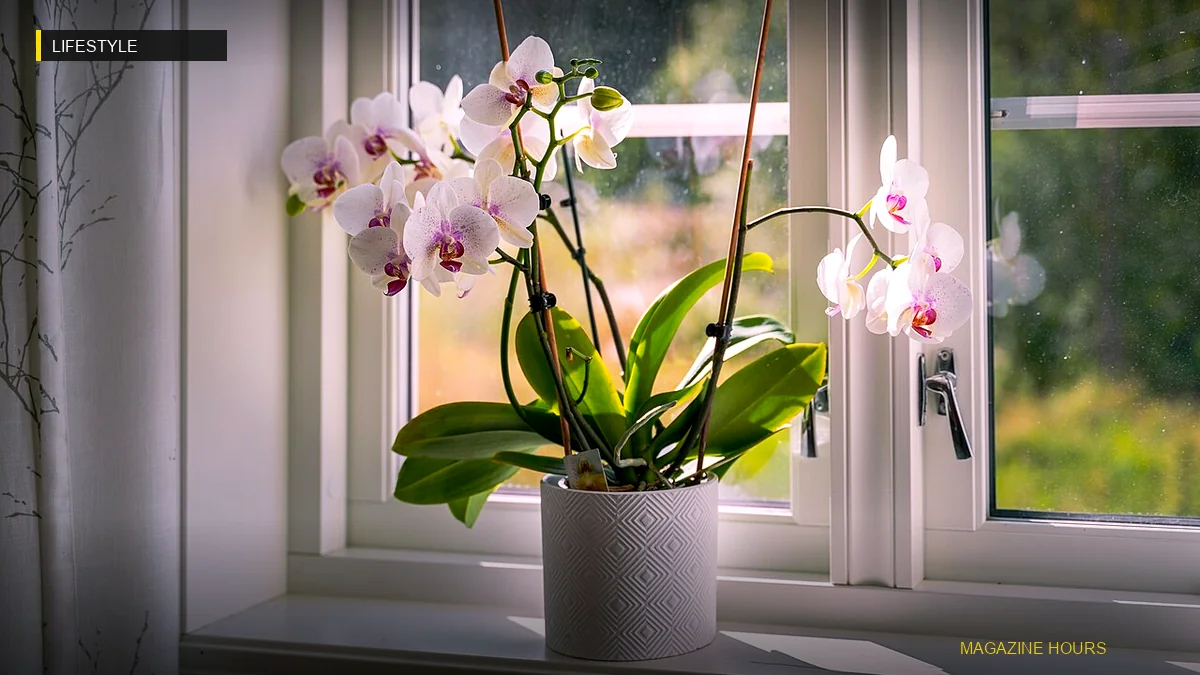
For 99% of human evolutionary history, our species lived outdoors, guided by sunrise, rustling canopies, weather patterns, and the tactile textures of earth, stone, and wood. In the span of a single century, we migrated indoors, spending 90% of our lives inside drywall boxes bathed in hum-buzzing fluorescent LEDs and air-conditioned silence.
This sensory starvation generates chronic low-grade neurobiological friction. Biophilic design is not an aesthetic decor trend; it is the deliberate re-introduction of evolutionary cues that signal safety and restoration to the human brain.
The Pillars of Living Biophilic Spaces
- Dynamic Natural Light: Position work desks perpendicular to natural windows. Use sheer linen drapes that soften glare while allowing daylight patterns to trace across walls as the sun traverses the sky.
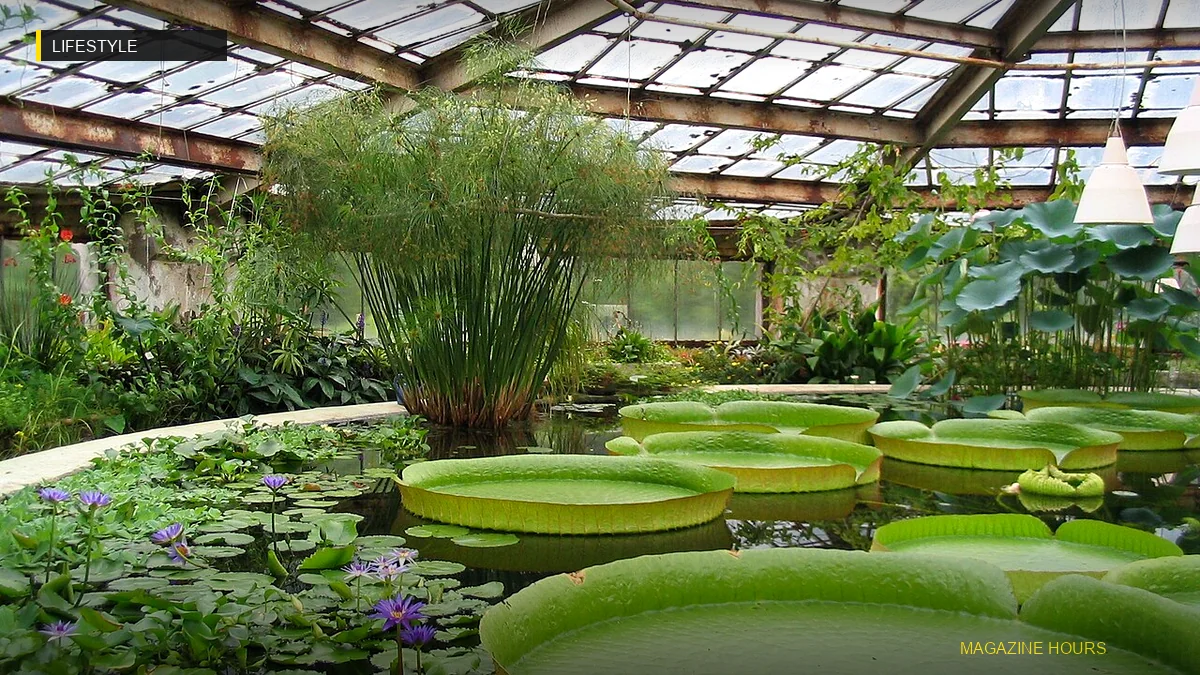
- Layered Living Flora: Group plants in clusters at varying elevations (hanging pothos, floor-standing monsteras, desk succulents). Varied leaf textures create natural fractal patterns that human eyes find inherently calming.
- Tactile Organic Materials: Replace cold acrylics and synthetic vinyl with solid oak, unfinished travertine, wool rugs, terracotta planters, and raw linen upholstery. Your fingers should touch real materials throughout the day.
- Acoustic Softening: Hard drywall and bare floors amplify echoing reflections that heighten stress. Use thick woven wool rugs, heavy curtains, and fabric tapestries to create quiet acoustic intimacy.
Creating Multisensory Natural Moments
Go beyond visual greenery. Introduce a small tabletop ceramic water fountain for subtle acoustic masking, burn pure beeswax candles with natural honey aromas, and crack windows open for 15 minutes each morning to flush stagnant CO2 and invite ambient breezes into your living space.
Key Takeaways and Summary
To put these insights into immediate, practical action:
- Prioritize intentionality: High-value results come from focused execution rather than frantic overexertion.
- Audit your environment: The tools, systems, and routines you tolerate determine your daily cognitive quality.
- Iterate continuously: Treat your habits as ongoing experiments that compound over months and years.