The Midnight ‘Just One More Run’ Spell
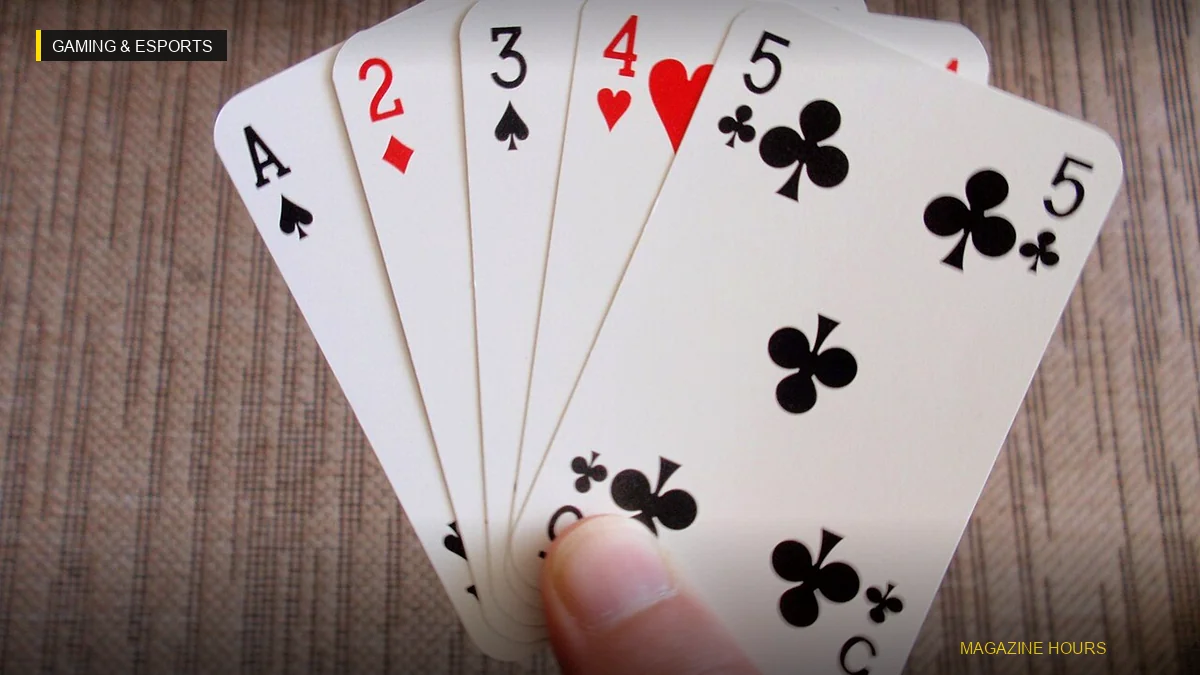
It is 1:45 AM. You have work in six hours. You tell yourself: ‘I’ll just see what the first shop has on floor two.’ Forty-five minutes later, you are calculating whether your glass playing cards and holographic multiplying jokers can score 4.2 million points on the ante 8 boss blind.
The deckbuilding roguelike has quietly evolved into one of the most intellectually addictive and satisfying game design genres in modern history.
The Psychological Machinery of Synergy
Unlike traditional video games that rely on reflex execution or tedious grinding, deckbuilders activate the brain’s pattern-recognition reward centers:
- The Agency of the Draft: Every reward screen offers a choice of three cards or skip. Picking a card is not an isolated decision; it is a hypothesis about your deck’s emerging identity.
- Exponential Synergies: The sublime thrill of discovering an unintended interaction—like pairing a relic that grants strength on poison ticks with a card that doubles poison—makes the player feel like an absolute genius who broke the game’s mathematical balance.
- Dignified Permadeath: When you lose a run, there is no anger at bad controls or cheap deaths. You trace the loss backward to your own decisions: ‘I took that heavy attack card when I needed defense on floor 16.’ You instantly hit ‘New Run’ to test your revised strategy.
The Masterworks of the Genre
If you have yet to experience this design brilliance, start with the holy trinity:
- Slay the Spire: The immaculate mathematical foundation.
- Monster Train: Vertical multi-floor tower defense with dual-clan deck drafting.
- Balatro: The hypnotic poker roguelike that took the world by storm in 2024.
Key Takeaways and Summary
To put these insights into immediate, practical action:
- Prioritize intentionality: High-value results come from focused execution rather than frantic overexertion.
- Audit your environment: The tools, systems, and routines you tolerate determine your daily cognitive quality.
- Iterate continuously: Treat your habits as ongoing experiments that compound over months and years.