The Microbial Cosmos Within You
Inside your gastrointestinal tract lives an ecosystem of roughly 38 trillion bacterial cells, fungi, and viruses—collectively known as the gut microbiome. You are not a solitary organism; you are a superorganism.
These microscopic inhabitants are not passive freeloaders. They digest dietary fiber into Short-Chain Fatty Acids (SCFAs) like butyrate, synthesize vitamin K and B12, train 70% of your immune system, and regulate neurochemical mood signaling along the gut-brain axis.

The American Gut Project: Diversity Is King
The largest human microbiome study ever conducted revealed a surprising truth: the healthiest guts do not belong to people on extreme restrictive diets (strict carnivore, strict keto, or raw vegan). The healthiest microbiomes belong to people with the highest dietary plant diversity.
- Aim to consume 30 distinct plant foods each week.
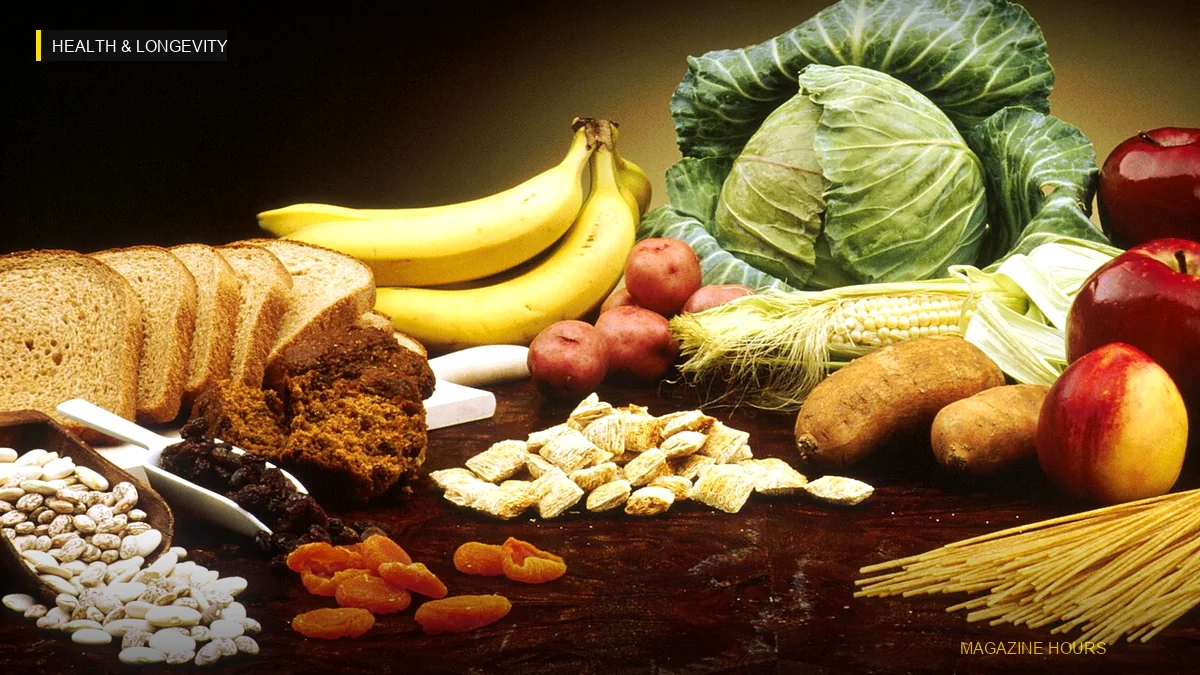
- Count nuts (walnuts, almonds), seeds (chia, flax, pumpkin), fresh herbs (rosemary, cilantro), spices (turmeric, black pepper), legumes (lentils, chickpeas), and varied grains (quinoa, oats).
- Each plant species contains unique polyphenol and prebiotic fiber structures that feed distinct microbial colonies.
The Fermented Food Powerhouse
A Stanford University clinical trial by Drs. Justin and Erica Sonnenburg proved that adding 4 to 6 servings of fermented foods daily significantly increased microbial diversity and lowered 19 inflammatory biomarkers in blood plasma. Drink a small glass of plain kefir in the morning, add a forkful of raw kimchi to your lunchtime grain bowl, and enjoy tempeh or miso soup for dinner.

Key Takeaways and Summary
To put these insights into immediate, practical action:
- Prioritize intentionality: High-value results come from focused execution rather than frantic overexertion.
- Audit your environment: The tools, systems, and routines you tolerate determine your daily cognitive quality.
- Iterate continuously: Treat your habits as ongoing experiments that compound over months and years.