The Era of Software As An Involuntary Landlord
Remember when you purchased software in a box, installed it with a CD key, and used it happily for six years? That world has been replaced by the relentless recurring subscription model. Today, creative professionals and small businesses pay $60/month to Adobe, $15/month to Microsoft, and $10/month to note-taking platforms—spending thousands of dollars annually simply to maintain access to their own files.
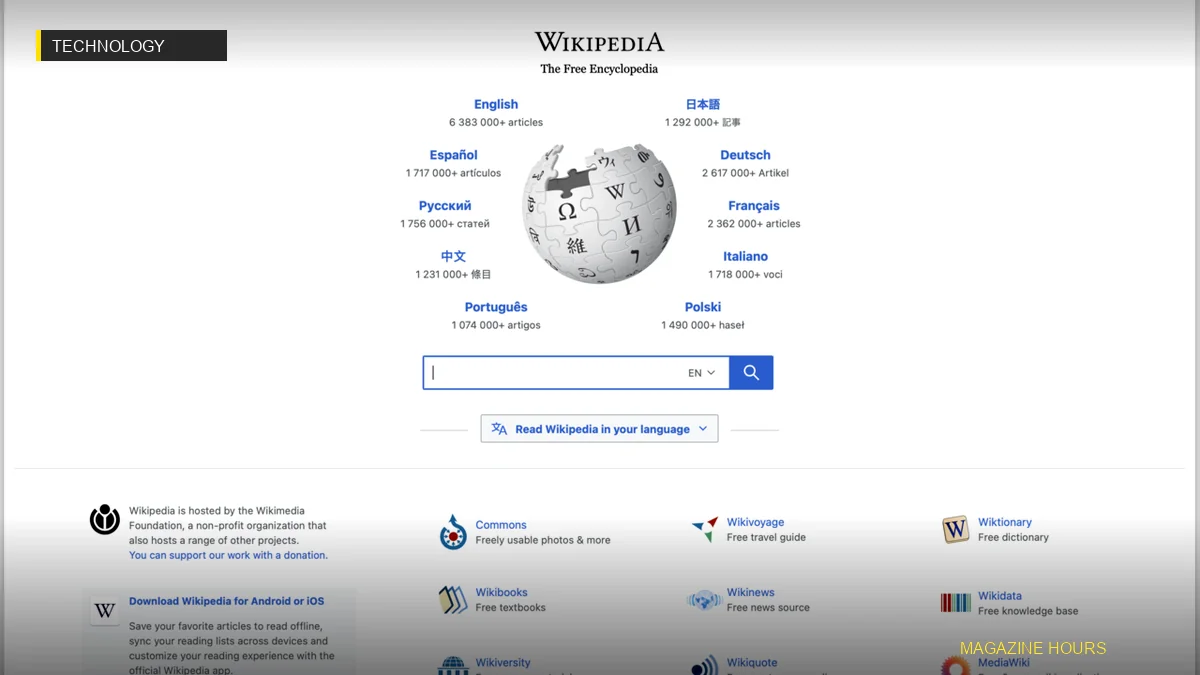
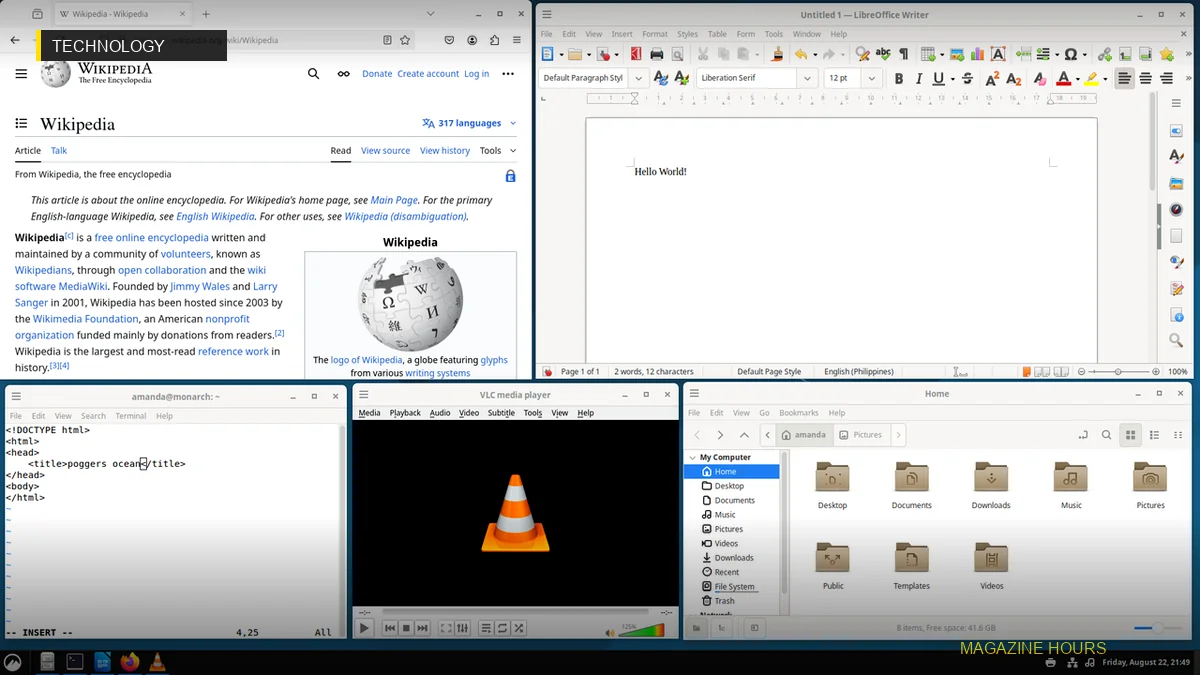
Free and Open-Source Software (FOSS) has reached a maturity level where it is no longer an clunky academic compromise; in many disciplines, it is the superior professional tool.

The Best Open-Source Replacements by Category
- Notes & Knowledge Management (Obsidian / Logseq): Replaces Notion and Evernote. Your data lives on your disk in pure Markdown. Zero corporate servers reading your private thoughts.
- 3D Animation and VFX (Blender): The undisputed king of FOSS. Blender is so powerful it is now used in Hollywood feature films and AAA game studios, completely displacing expensive Autodesk licenses.
- Digital Illustration (Krita): Built from the ground up by artists for artists. Outclasses Photoshop for raster painting, brush dynamics, and comic illustration.
- Office Productivity (LibreOffice / OnlyOffice): Provides comprehensive offline document, spreadsheet, and presentation editing with total Microsoft Office .docx and .xlsx compatibility.
- Audio Production (Audacity / Tenacity): The timeless lightweight multitrack recorder and podcast editor for crystal-clear audio slicing.
Supporting the Commons
Open source is not free beer; it is shared infrastructure maintained by dedicated human beings. When you cancel a $60/month corporate software bundle, consider setting up a recurring $5/month GitHub Sponsor or Open Collective donation to the FOSS tools you rely on every day.
Key Takeaways and Summary
To put these insights into immediate, practical action:
- Prioritize intentionality: High-value results come from focused execution rather than frantic overexertion.
- Audit your environment: The tools, systems, and routines you tolerate determine your daily cognitive quality.
- Iterate continuously: Treat your habits as ongoing experiments that compound over months and years.