The Frictionless Return Illusion
‘Free returns on all orders’ built the modern e-commerce boom. It removed the psychological barrier to pulling out a credit card, allowing consumers to turn their living rooms into fitting rooms. But that zero-dollar return label conceals a colossal ecological and financial black hole known in the industry as reverse logistics.
According to the National Retail Federation, over $740 billion worth of merchandise is returned annually in the United States alone. Over 25% of all returned goods end up in municipal landfills without ever being re-sold.
The Journey of a Returned Package
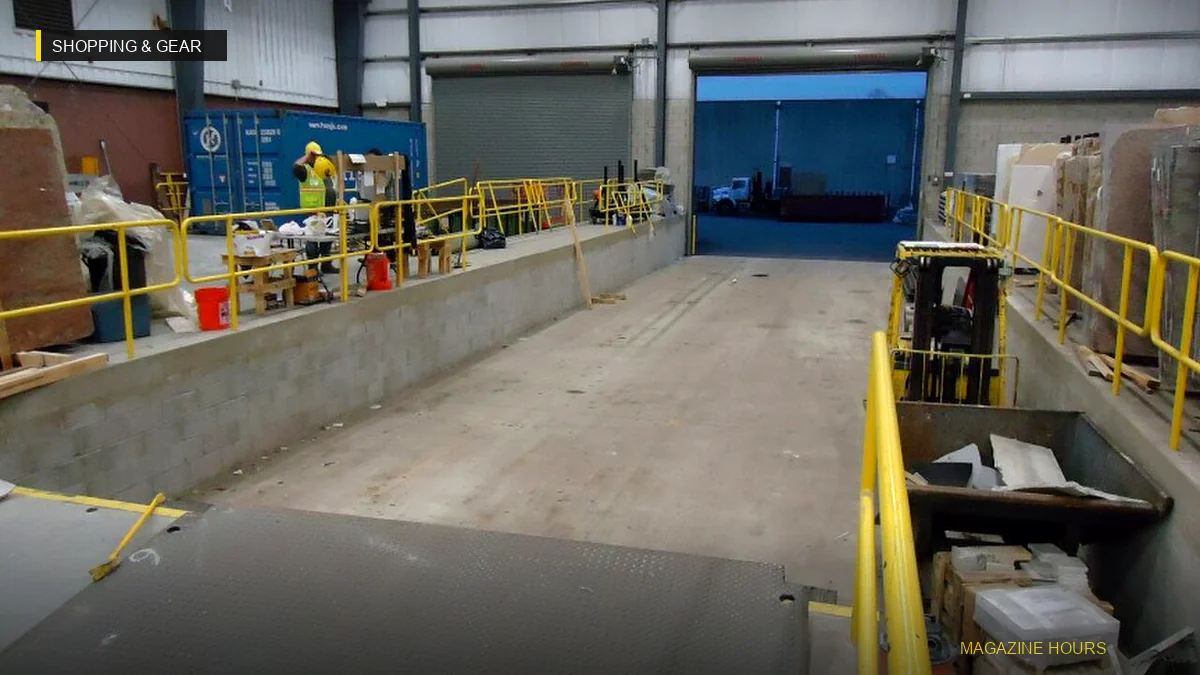
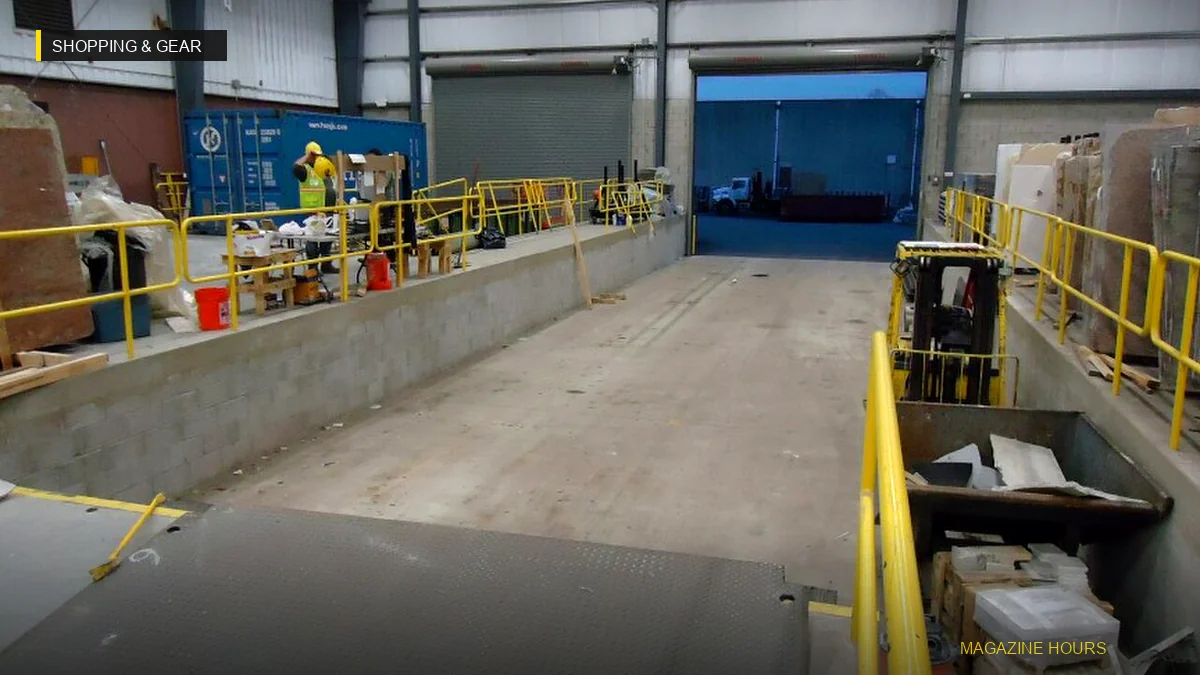
When your returned package arrives at a third-party returns hub, its fate is determined by a brutal cost-benefit equation:
- Inspection Bottleneck: A human worker has approximately 45 seconds to open the package, check for missing tags, verify cleanliness, test electronics, and decide whether it can re-enter inventory.
- Secondary Clearance: If an item passes inspection, it may be relisted as ‘Open Box’ on Amazon Warehouse or eBay at a steep discount.
- Palletization & Auction: B-grade returns are shrink-wrapped onto wooden pallets and sold by the pound to liquidation wholesalers.
- The Shredder: Fast fashion made of cheap synthetic fibers is frequently destroyed because the cost of steaming and refolding exceeds the garment’s manufacturing cost ($2.50).
How to Shop with Greater Return Consciousness
As consumers, we can dramatically curb return waste by doing our homework before clicking buy. Use customer photo reviews to gauge true garment drape. Compare your physical measurements against size charts rather than blindly guessing your size. Support brands that partner with reverse-logistics circular platforms like Happy Returns or Trove, which refurbish and re-commerce pre-loved garments.

Key Takeaways and Summary
To put these insights into immediate, practical action:
- Prioritize intentionality: High-value results come from focused execution rather than frantic overexertion.
- Audit your environment: The tools, systems, and routines you tolerate determine your daily cognitive quality.
- Iterate continuously: Treat your habits as ongoing experiments that compound over months and years.