
Beyond the Greenwashing Billboard
Ecotourism is one of the most abused marketing terms in modern hospitality. A luxury resort that replaces plastic straws with paper while dumping untreated graywater into an adjacent reef and paying local staff sub-living wages is not eco-friendly; it is greenwashing.
True sustainable travel is rooted in regenerative stewardship. It treats human visitors not as consumers extracting memories, but as temporary guests participating in the economic viability of natural ecosystems.
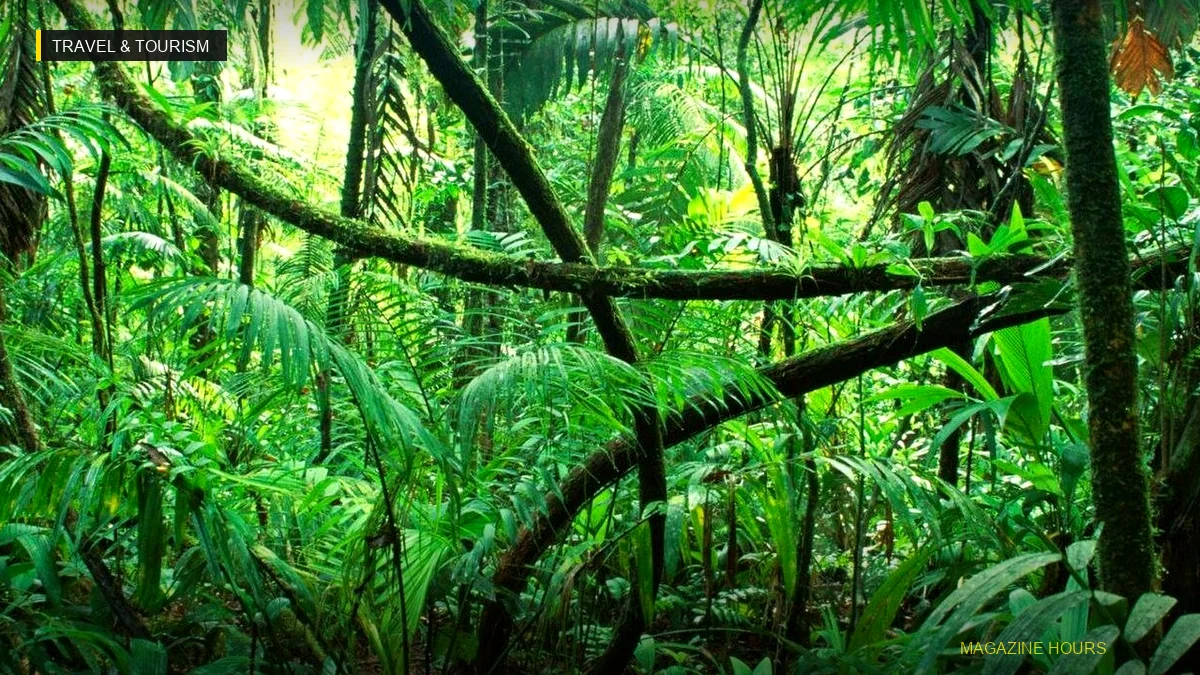
Destinations Leading the Global Conservation Charge
Around the globe, pioneering sanctuaries prove that travel can regenerate damaged landscapes:
- The Osa Peninsula, Costa Rica: Housing 2.5% of the planet’s biodiversity on a sliver of land, community lodges here run entirely on micro-hydro and solar power while protecting jaguar corridors.
- Alladale Wilderness Reserve, Scotland: A magnificent rewilding initiative restoring the ancient Caledonian pine forest and reintroducing native red squirrels and highland cattle.
- Chumbe Island Coral Park, Zanzibar: A privately managed marine protected area funded entirely by low-impact eco-bungalows, safeguarding pristine coral reefs and rare coconut crabs.
How to Be an Asset to the Places You Visit
When visiting ecologically fragile ecosystems, your behavior sets the precedent. Hire local guides from indigenous communities who possess generational botanical and wildlife knowledge. Never purchase wildlife souvenirs, marine shells, or endangered hardwood crafts. Carry a refillable water filtration bottle (like a Grayl or Sawyer) to eliminate the thousands of single-use plastic bottles that blight island and mountain destinations.

Key Takeaways and Summary
To put these insights into immediate, practical action:
- Prioritize intentionality: High-value results come from focused execution rather than frantic overexertion.
- Audit your environment: The tools, systems, and routines you tolerate determine your daily cognitive quality.
- Iterate continuously: Treat your habits as ongoing experiments that compound over months and years.