The High-End Monitor Revolution
For over a decade, computer monitors were stuck in a dreary rut of edge-lit IPS and TN panels: washed-out gray blacks, backlight bleed in the corners, and anemic HDR that was peak brightness marketing fiction.
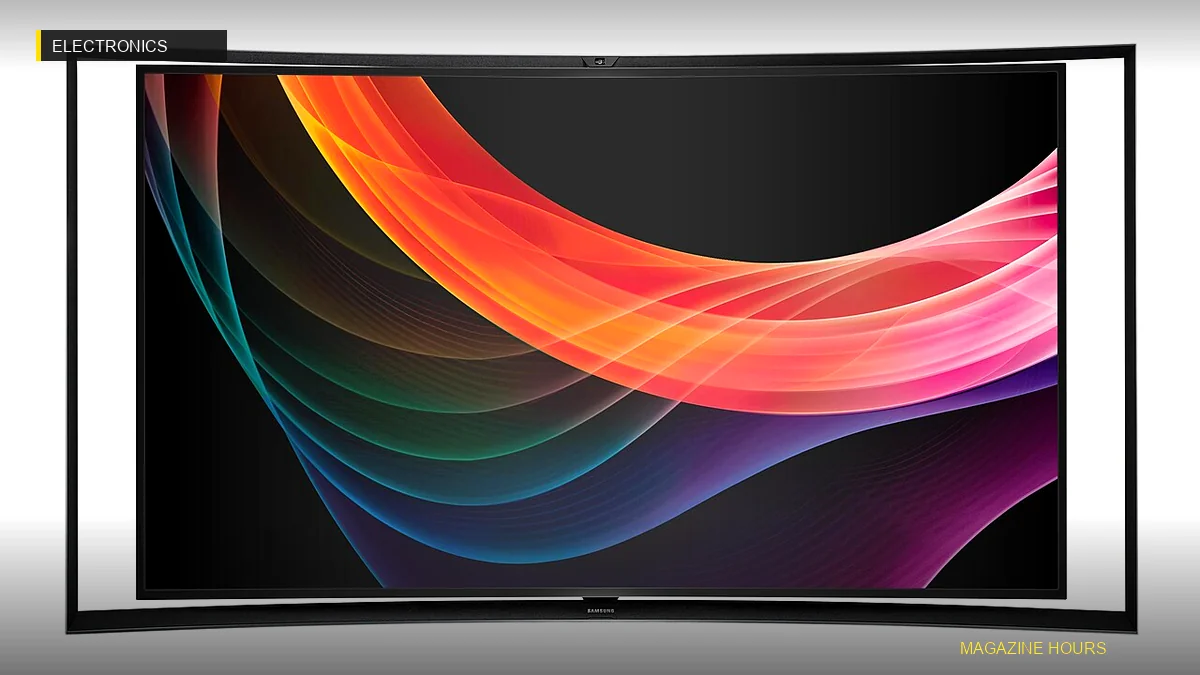
Today, display engineering has split into two competing heavyweight technologies: QD-OLED / WOLED and Mini-LED (Full-Array Local Dimming). Both can deliver jaw-dropping visual fidelity, but their underlying physics make them suited for radically different desk environments.
The Strengths and Weaknesses of OLED
In an OLED panel, every single pixel is its own independent organic light source. When displaying black, the pixel is physically turned off.
- The Magic: Infinite contrast ratio, zero haloing or blooming around white subtitles, and instantaneous 0.03ms pixel response times that make high-framerate gaming feel liquid-smooth.
- The Compromise: Auto-Static Brightness Limiting (ASBL) dims the screen when large white windows are open, and text fringing can occur due to non-standard subpixel layouts (though 3rd-generation QD-OLED panels have largely resolved this).
The Case for Mini-LED Domination in Bright Rooms
If your desk sits in a sun-drenched room with large windows, Mini-LED is the undisputed champion. By packing 1,152 to 2,304 discrete local dimming zones behind an advanced Fast-IPS panel, Mini-LED displays (like the AOC Q27G3XMN or Innocn 27M2V) can pump out 1,000+ nits of sustained full-screen brightness.
You get stunning specular highlights, zero fear of burn-in with static desktop icons, and tack-sharp font rendering for 10-hour spreadsheet sessions.

Key Takeaways and Summary
To put these insights into immediate, practical action:
- Prioritize intentionality: High-value results come from focused execution rather than frantic overexertion.
- Audit your environment: The tools, systems, and routines you tolerate determine your daily cognitive quality.
- Iterate continuously: Treat your habits as ongoing experiments that compound over months and years.