The Evolution Beyond the Gas Generator
A decade ago, emergency home backup meant dragging a deafening, exhaust-spewing gas generator out of the shed, hoping the carburetor wasn’t gummed with old fuel, and running extension cords through cracked windows in the rain.
Today, Portable Power Stations (Solar Generators) provide silent, zero-emission electricity inside your living room with the push of a single button. But navigating watt-hours, surge capacities, and battery chemistry requires understanding the engineering basics.
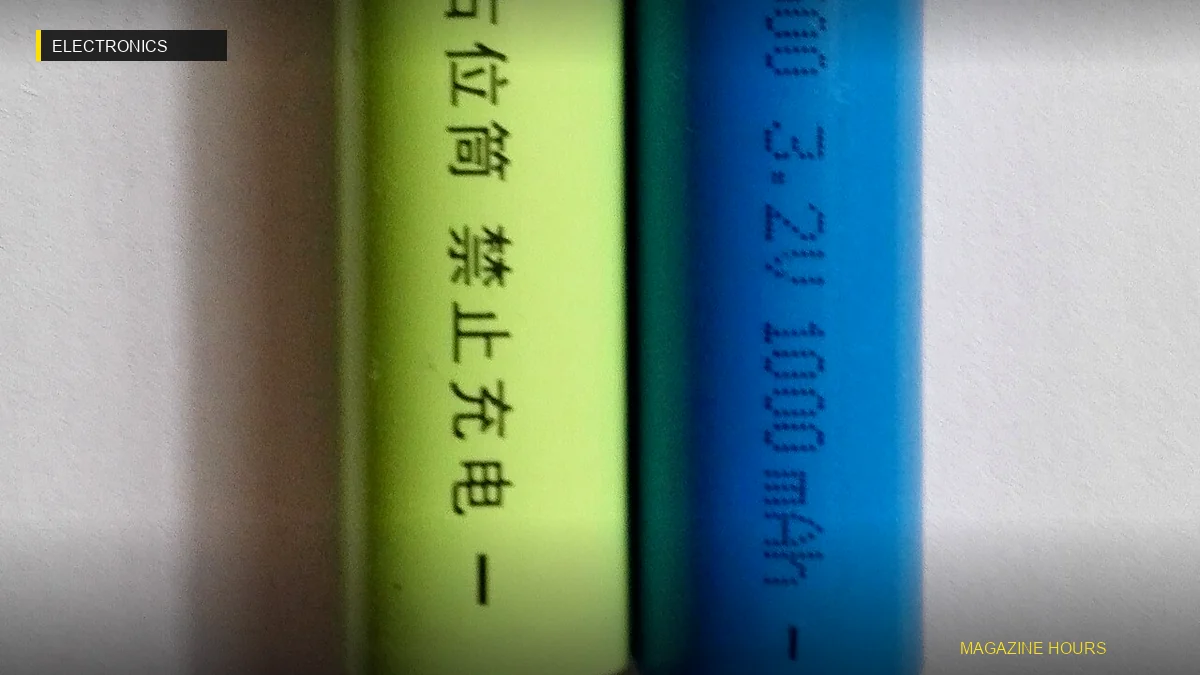
The Chemical Revolution: Why You Must Demand LiFePO4
Never purchase a power station built on older Lithium Nickel Manganese Cobalt (NMC) chemistry. Traditional NMC batteries degrade after just 500 charge cycles—meaning if you use it on weekend camping trips, it is degraded in three years.
LiFePO4 (Lithium Iron Phosphate) batteries withstand 3,500+ full discharge cycles. You can charge and discharge the station every single day for ten straight years and still retain over 80% of its original factory capacity. Brands like EcoFlow, Anker Solix, and Bluetti have standardized on LiFePO4 across their entire modern lineups.
Sizing Your Power Station: The Math That Matters
Two numbers dictate power station performance:
- Watt-Hours (Wh) = Capacity: How much energy the battery holds. A 500Wh battery will power a 50W portable fridge for approximately 8 to 9 hours (factoring in 15% inverter efficiency loss).
- Continuous Watts (W) = Output: What appliances can plug in. A 600W inverter can run laptops, lights, and TVs, but will instantly trip if you plug in a 1,500W coffee maker, hair dryer, or microwave. For home backup, aim for 1,500W to 2,000W continuous output.
Key Takeaways and Summary
To put these insights into immediate, practical action:
- Prioritize intentionality: High-value results come from focused execution rather than frantic overexertion.
- Audit your environment: The tools, systems, and routines you tolerate determine your daily cognitive quality.
- Iterate continuously: Treat your habits as ongoing experiments that compound over months and years.