The Urban Pressure Cooker
Modern cities are magnificent engines of ambition, culture, and connection. But their sensory density can subtly erode your nervous system. Walk down any major avenue at 8:30 AM, and you are immersed in a sea of hurried commuters, screaming sirens, flashing billboard algorithms, and impatient horn honks.
In this hyper-stimulated environment, slow living is an act of quiet rebellion. It is the conscious decision to refuse the myth that your human value is tied to your calendar density or your responsiveness to notifications.

Carving Out Islands of Analog Stillness
You do not need to flee to a secluded cottage in Vermont to find stillness. You simply need to build protective boundaries within your daily urban geography:
- The First 60 Minutes Belong to You: Never begin your day by inviting the crises of the entire planet into your bed through a smartphone screen. Spend your first hour with tea, a physical book, or quiet stretching.
- The Aimless Flâneur Walk: Once a week, walk through your city with no destination and no audio accompaniment. Notice architectural cornices, the scent of bakery exhaust, and the micro-expressions of strangers.
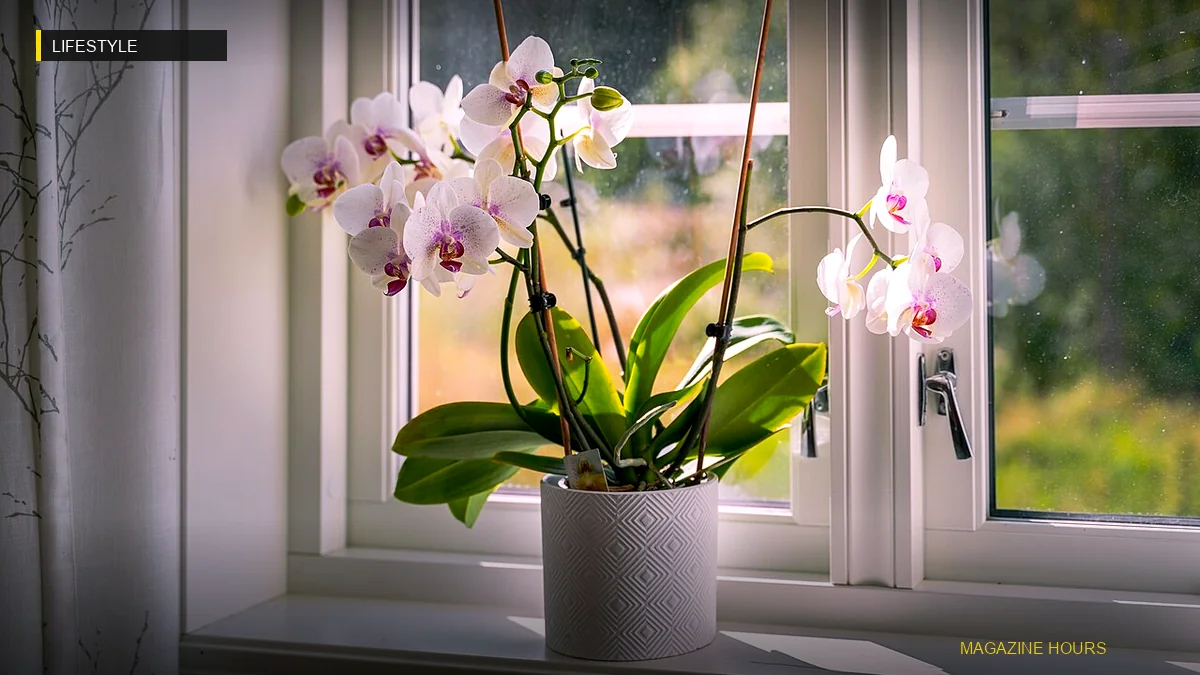
- Ritualize Domestic Chores: Washing dishes by hand, hand-grinding coffee beans, and watering houseplants are not chores to be outsourced or sped through; they are grounding somatic anchors.
Cultivating Selective Social Friction
Fast living treats convenience as the ultimate virtue. But extreme convenience removes the human texture of community. Support your neighborhood green grocer, chat with your local barista, browse physical bookshops, and attend public libraries. These low-stakes human micro-interactions weave an invisible safety net of urban belonging.

Key Takeaways and Summary
To put these insights into immediate, practical action:
- Prioritize intentionality: High-value results come from focused execution rather than frantic overexertion.
- Audit your environment: The tools, systems, and routines you tolerate determine your daily cognitive quality.
- Iterate continuously: Treat your habits as ongoing experiments that compound over months and years.