The Single Most Essential Tool in the Kitchen
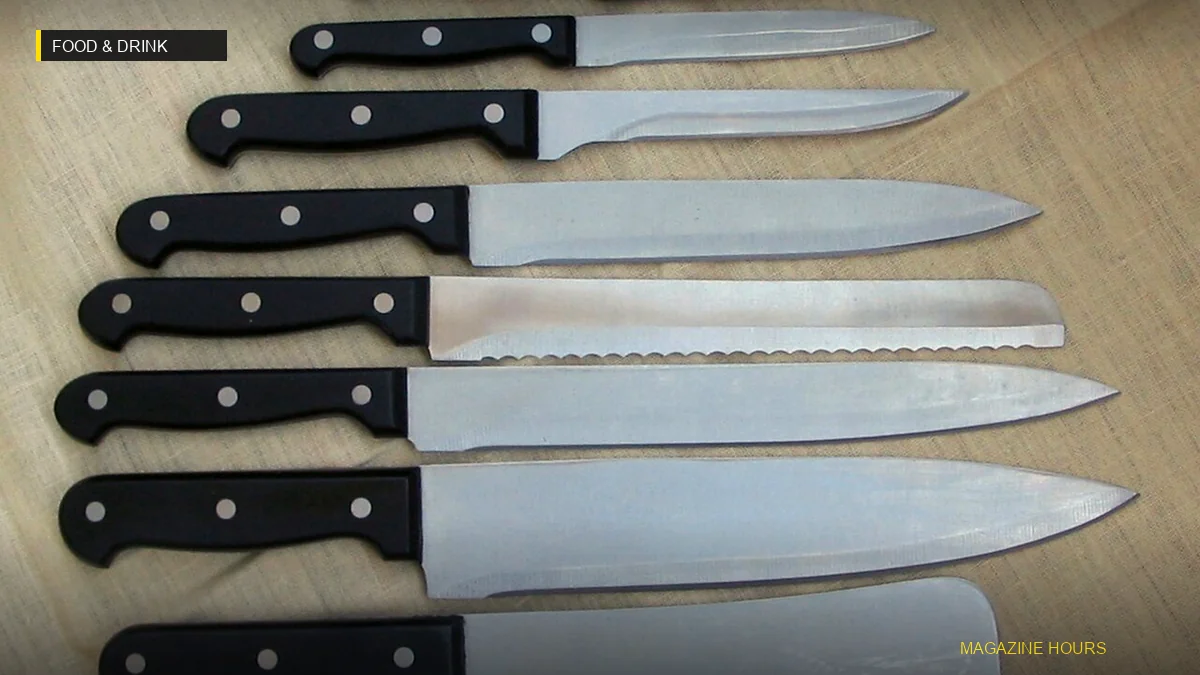
Walk into any home kitchen, and you will likely find an 18-piece wooden knife block filled with cheap, stamped serrated knives that have never been sharpened since they were unwrapped at a wedding ten years ago. Slicing an onion with a dull knife crushes cellular walls, spraying syn-propanethial-S-oxide into the air and reducing you to tears.
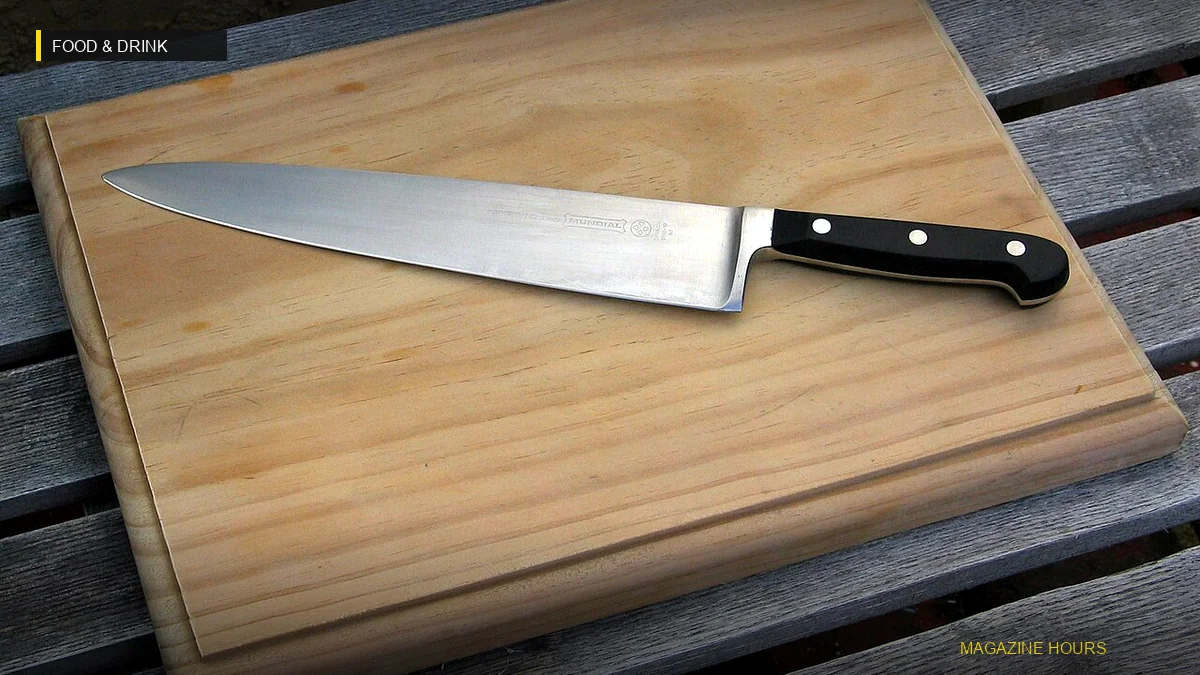
A single, razor-sharp 8-inch chef’s knife (Gyuto or Western chef’s knife) transforms cooking from a grueling prep chore into an effortless, rhythmic flow state.
The Mechanics of the Pinch Grip and the Claw
- The Pinch Grip: Never hold a chef’s knife like a hammer by the handle alone. Pinch the base of the blade between your index finger and thumb. The knife becomes an intuitive physical extension of your forearm.
- The Guide Hand ‘Claw’: Curl your non-knife fingers into a claw with fingertips tucked backward under your knuckles. Rest the flat side of the blade against your knuckle guide. You can chop at blinding speed with zero risk of slicing your fingertips.
Whetstone Sharpening Demystified
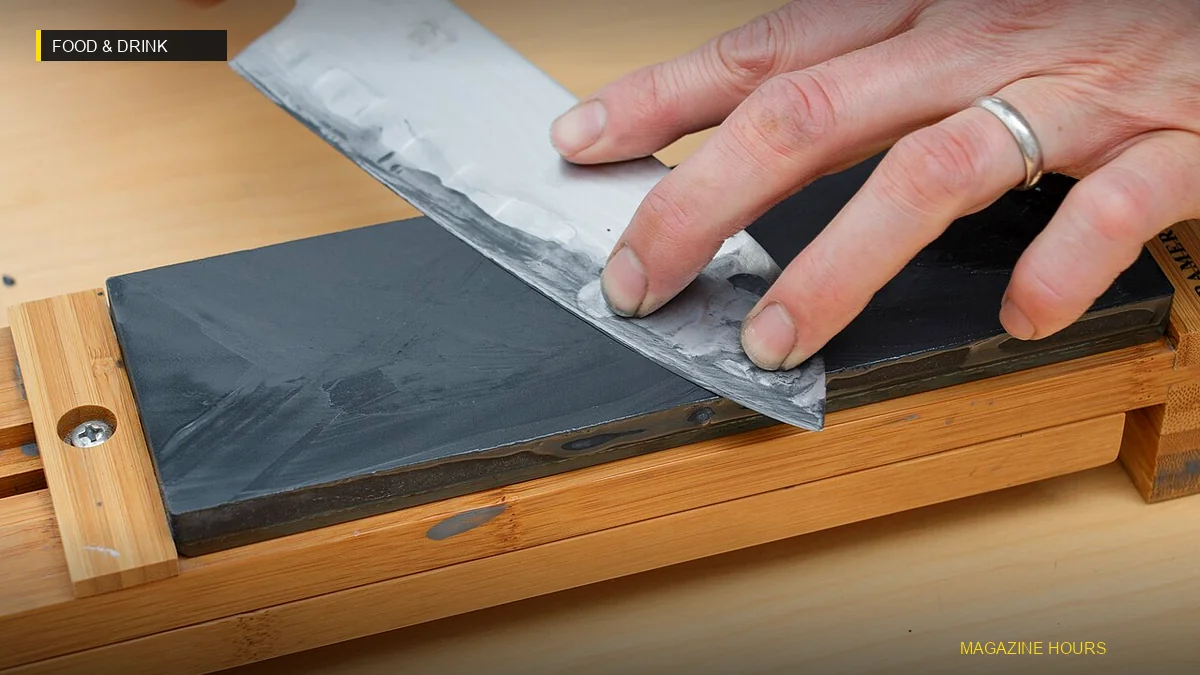
Pull-through carbide sharpeners shave metal off your blade unevenly, ruining the knife’s geometry. Spend 15 minutes once every two months on a water whetstone:
- Soak the 1000-grit stone in water for 10 minutes.
- Hold the knife at a consistent 15-degree angle (roughly the height of two stacked pennies between the spine and stone).
- Push the blade forward and back across the stone with moderate pressure until you feel a continuous microscopic burr forming along the entire opposite side of the edge.
- Flip the blade, repeat on the other side, and finish with light stropping strokes on the 6000-grit side. Your knife will slice through ripe tomatoes under its own weight.
Key Takeaways and Summary
To put these insights into immediate, practical action:
- Prioritize intentionality: High-value results come from focused execution rather than frantic overexertion.
- Audit your environment: The tools, systems, and routines you tolerate determine your daily cognitive quality.
- Iterate continuously: Treat your habits as ongoing experiments that compound over months and years.