Reconnecting with the Natural Calendar
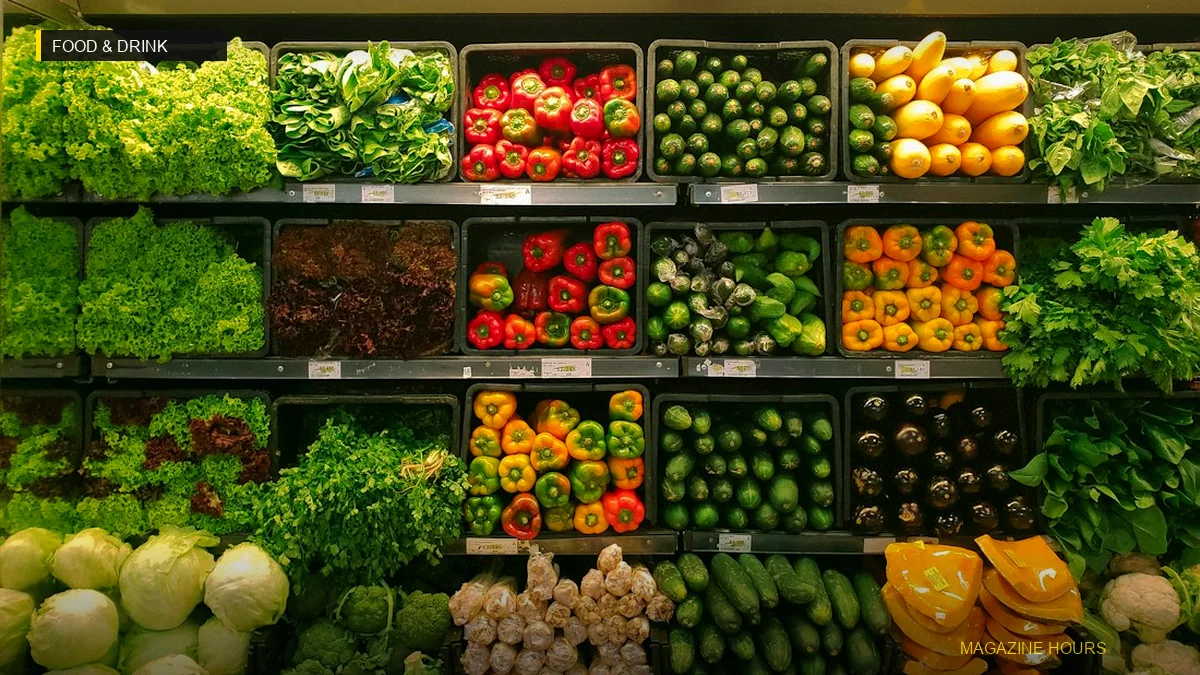
Modern industrial supermarkets have created a false sense of eternal summer: asparagus in November, strawberries in January, butternut squash in June. But convenience comes at the cost of soul: cardboard tomatoes ripened with ethylene gas and tasteless strawberries bred exclusively for thick shipping skins.
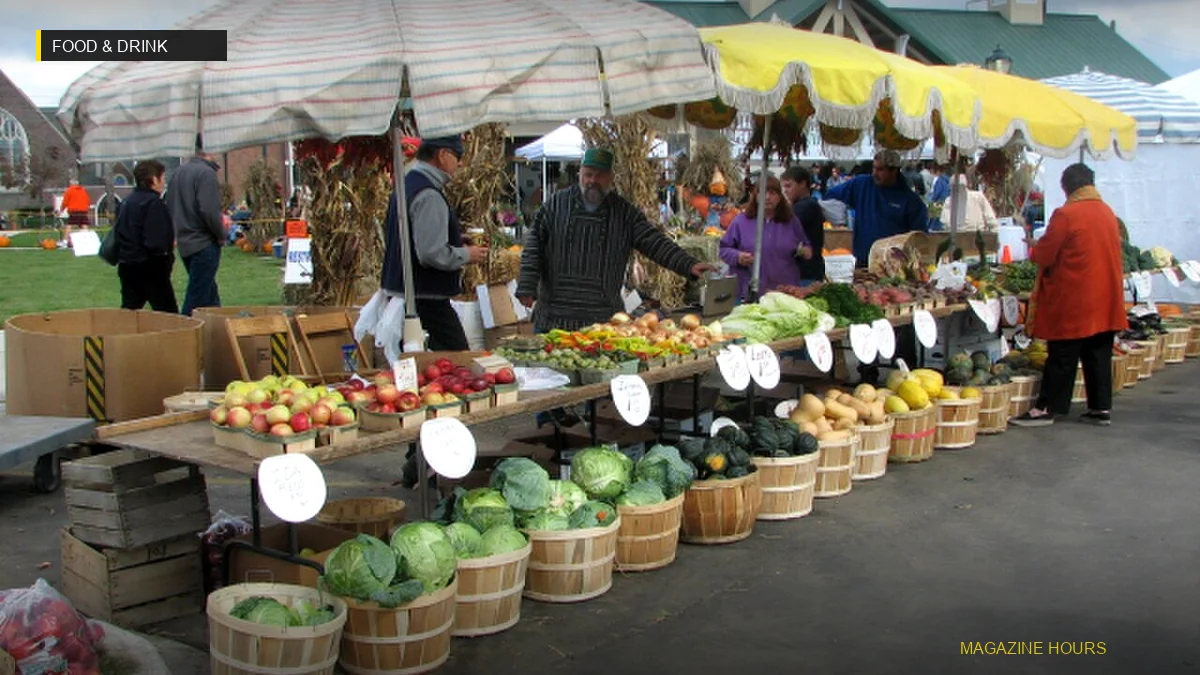
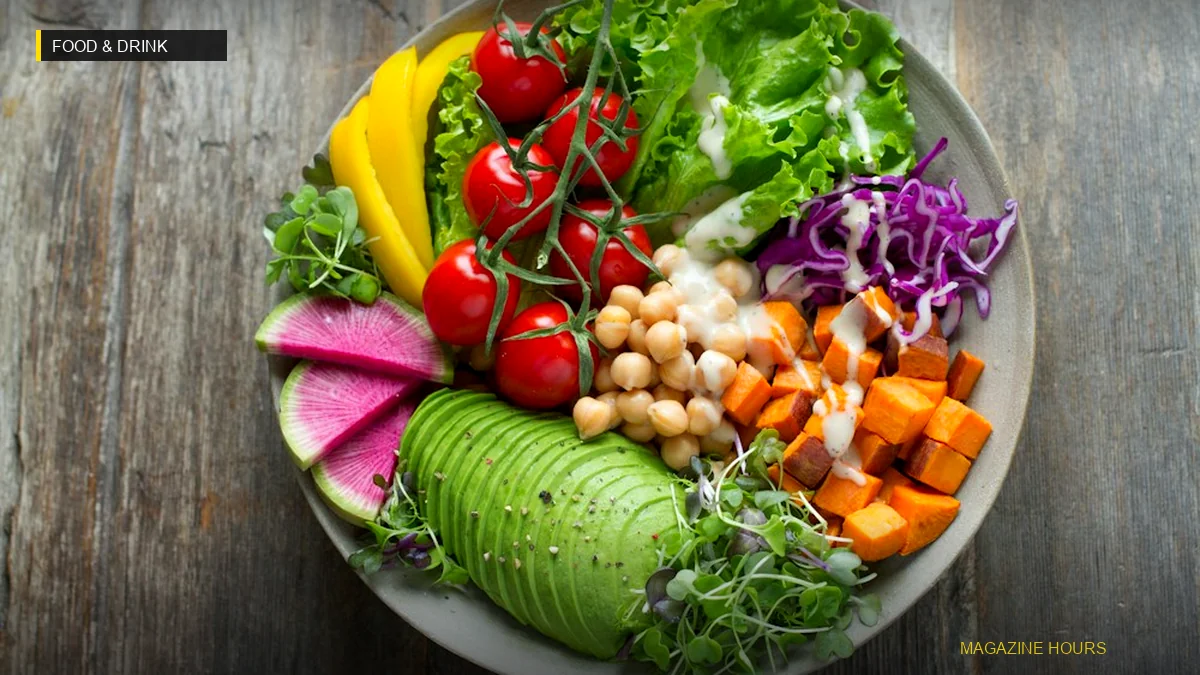
Cooking with the seasons is not a culinary pretension; it is the fundamental secret of French, Italian, and Japanese home cooking. When ingredients are grown in season and harvested at peak ripeness, you barely need to cook them; the ingredient does the heavy lifting.
The Four Seasonal Kitchen Rhythms
- Spring (Waking Up): Delicate tender greens, crisp radishes, sweet peas, morel mushrooms, and ramps. Cook briefly with light butter, white wine, and fresh soft herbs (tarragon, chervil, mint).
- Summer (Abundance): Heirloom tomatoes, sweet corn, zucchini, peaches, and basil. Serve raw or blistered on high heat with olive oil and coarse sea salt.
- Autumn (The Harvest): Crisp apples, winter squash, roasted brassicas, wild mushrooms, and root vegetables. Transition to roasting, caramelized braising, and brown butter.
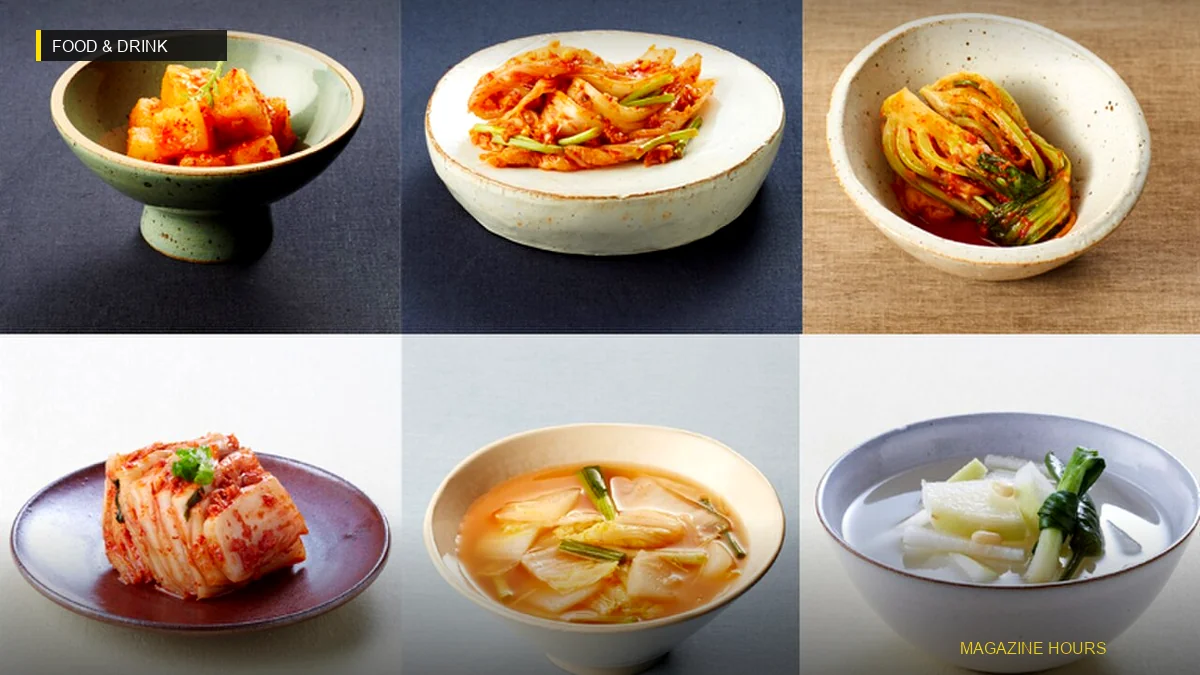
- Winter (Patience & Depth): Root cellar staples, hardy cabbages, citrus, and dried beans. Long, slow stews, broths, and fermented krauts that warm the house.
The Master Pan Sauce Technique
Never throw away the browned bits (fond) stuck to the bottom of your pan after searing seasonal vegetables or meat. Add a splash of dry white wine or chicken stock, scrape up the fond with a wooden spoon, simmer for two minutes to reduce, turn off the heat, and vigorously swirl in two tablespoons of cold butter. You have created a glossy, restaurant-quality pan sauce in 90 seconds.
Key Takeaways and Summary
To put these insights into immediate, practical action:
- Prioritize intentionality: High-value results come from focused execution rather than frantic overexertion.
- Audit your environment: The tools, systems, and routines you tolerate determine your daily cognitive quality.
- Iterate continuously: Treat your habits as ongoing experiments that compound over months and years.