The Ancient Microbiological Superpower
Modern industrial food production is obsessed with absolute sterility: pasteurizing, irradiating, and chemically preserving every shelf-stable jar. But in eliminating all bacteria, we eliminated the living microbial cultures that sustained human gut health for millennia.
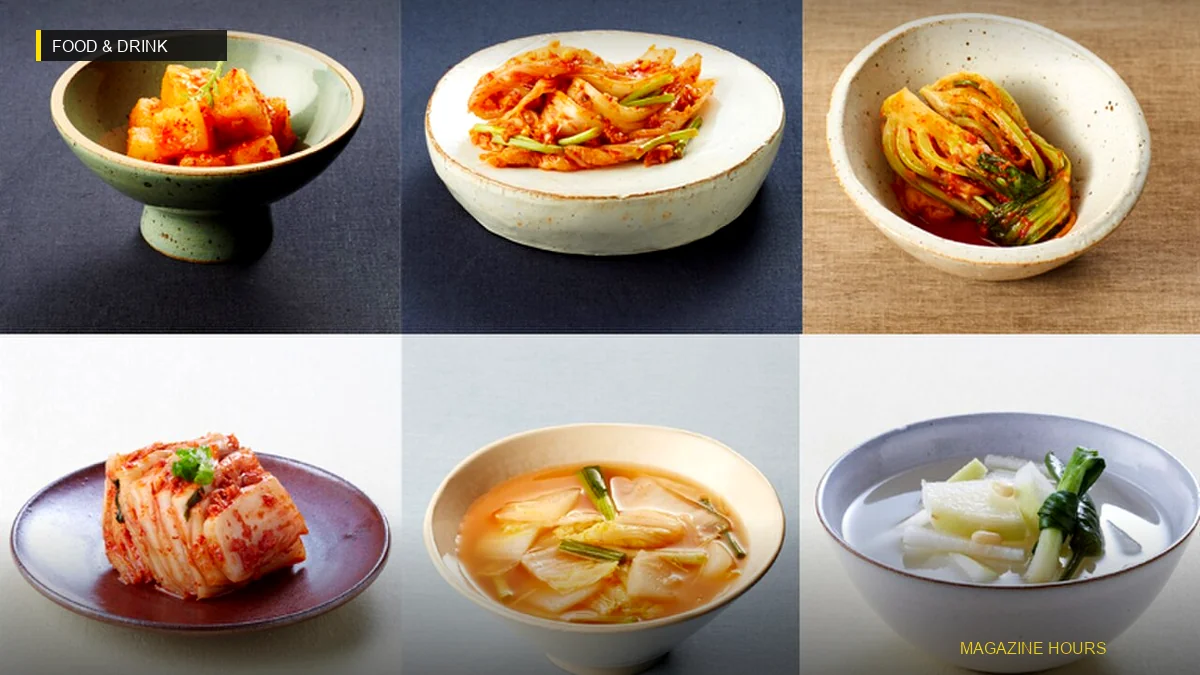
Lacto-fermentation is nature’s most elegant preservation technique. With nothing more than salt, vegetables, and clean glass jars, you unlock deep, complex umami flavors that no vinegar pickle can replicate.
The Master Formula: 2% Salinity by Weight
Ditch measuring spoons; volume measurements are dangerously inaccurate for coarse salt. Use a digital gram scale:
- Place your empty fermentation jar on the scale and tare to zero.
- Pack in your prepared vegetables (shredded cabbage, sliced jalapeños, garlic cloves) and fill with filtered water.
- Note the total weight in grams (e.g., 1,000g). Multiply by 0.02 = 20 grams of non-iodized salt.
- Stir the salt until fully dissolved, submerge the vegetables beneath a glass fermentation weight, and seal with a silicone airlock lid.
Fermenting Your First Artisanal Hot Sauce
Slice 300g of habanero or jalapeño peppers with half an onion, four crushed garlic cloves, and one peeled carrot (for natural sugars). Submerge in a 2.5% brine for 14 days at room temperature. You will watch vigorous bubbling as lactic acid drops the pH. Strain the brine (save it!), blend the fermented solids until velvety smooth, and emulsify with a splash of the active brine. The result is a vibrant, live probiotic hot sauce with fiery depth.
Key Takeaways and Summary
To put these insights into immediate, practical action:
- Prioritize intentionality: High-value results come from focused execution rather than frantic overexertion.
- Audit your environment: The tools, systems, and routines you tolerate determine your daily cognitive quality.
- Iterate continuously: Treat your habits as ongoing experiments that compound over months and years.