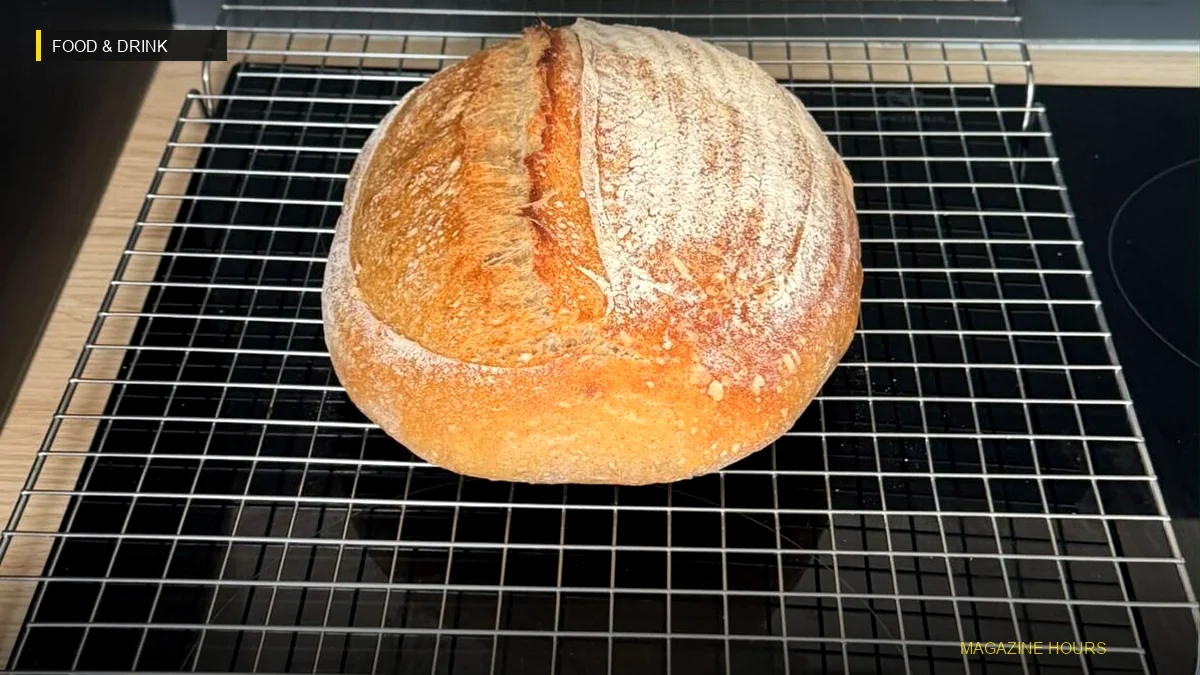
The Ancient Alchemy of Flour, Water, and Air
Commercial baker’s yeast was isolated in the mid-19th century to prioritize speed and industrial shelf-life. But for thousands of years prior, human beings baked bread through wild symbiotic fermentation: harnessing airborne wild yeasts (Saccharomyces exiguus) and lactic acid bacteria (Lactobacillus sanfranciscensis).
Baking sourdough is not baking; it is microbiology and sensory intuition. When you master it, three humble ingredients transform into an artisan loaf with a shatteringly crisp mahogany crust and an airy, custard-like crumb with gentle sour tang.
Understanding the Fermentation Timeline
- The Levain Build (Hour 0): Mix a small spoonful of active starter with fresh flour and warm water (26°C / 78°F). In 4-5 hours, it will triple in volume and pass the float test.
- The Autolyse (Hour 4): Mix your flour and water with no salt and let it rest for 45 minutes. This allows enzymatic breakdown of starches and initiates gluten development before fermentation begins.
- Bulk Fermentation & Stretch-and-Folds (Hours 5 to 9): Instead of aggressive counter kneading, perform gentle stretch-and-folds every 30 minutes for two hours. Watch for a 30-40% rise, dome-shaped edges in the bowl, and aerated bubble pockets.
- The Cold Retard (Overnight in Fridge): Shape the dough into a banneton basket and refrigerate for 12 to 16 hours. Chilling slows yeast while allowing lactobacilli to generate complex organic acids, deepening the sourdough flavor profile.
The Bake: Heat and Steam Mastery
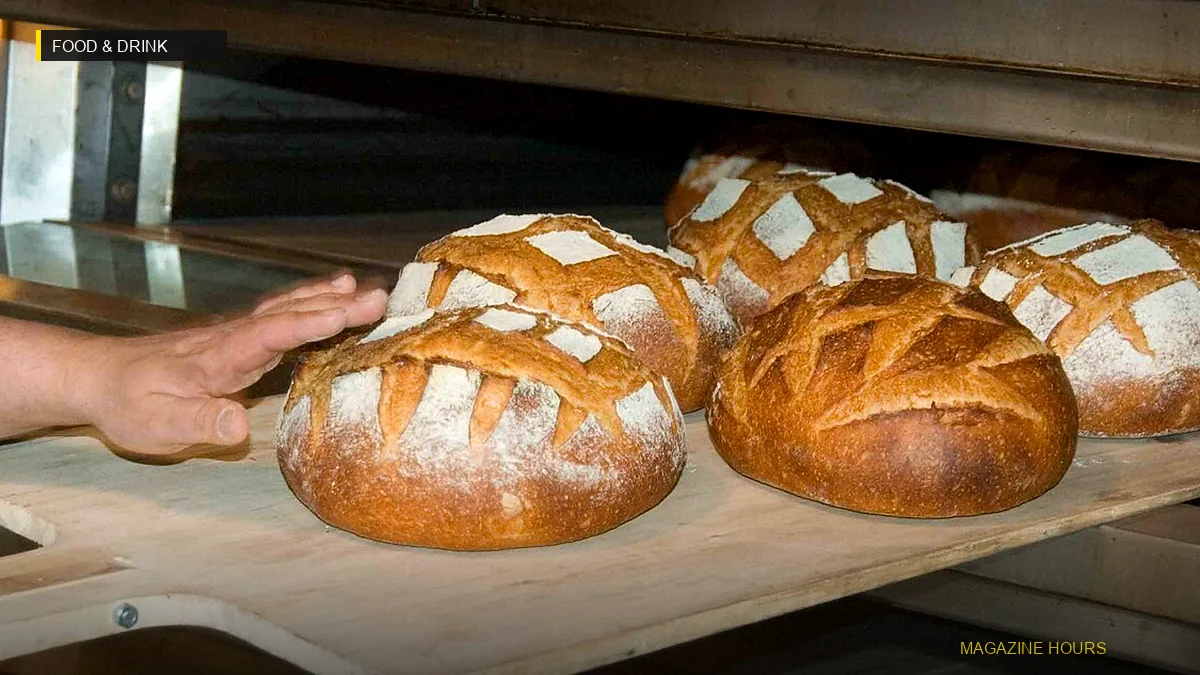
Preheat your cast-iron Dutch oven at 240°C (475°F) for an entire hour. Tip the cold dough onto parchment paper, dust lightly with rice flour (which never burns), and score decisively with a razor blade at a 30-degree angle to create that coveted ‘sourdough ear’.
Bake covered for 20 minutes with trapped steam, then remove the lid and bake for another 22-25 minutes until the crust turns dark hazelnut brown. The hardest step: Wait two full hours before slicing so the interior starches set without becoming gummy.
Key Takeaways and Summary
To put these insights into immediate, practical action:
- Prioritize intentionality: High-value results come from focused execution rather than frantic overexertion.
- Audit your environment: The tools, systems, and routines you tolerate determine your daily cognitive quality.
- Iterate continuously: Treat your habits as ongoing experiments that compound over months and years.