Escaping the Teflon Cycle
Every three to four years, millions of consumers throw scratched non-stick Teflon pans into the garbage. Beyond the environmental tragedy and the health concerns surrounding PFAS ‘forever chemicals,’ non-stick pans cannot sear a steak with serious crust because they break down at high temperatures.
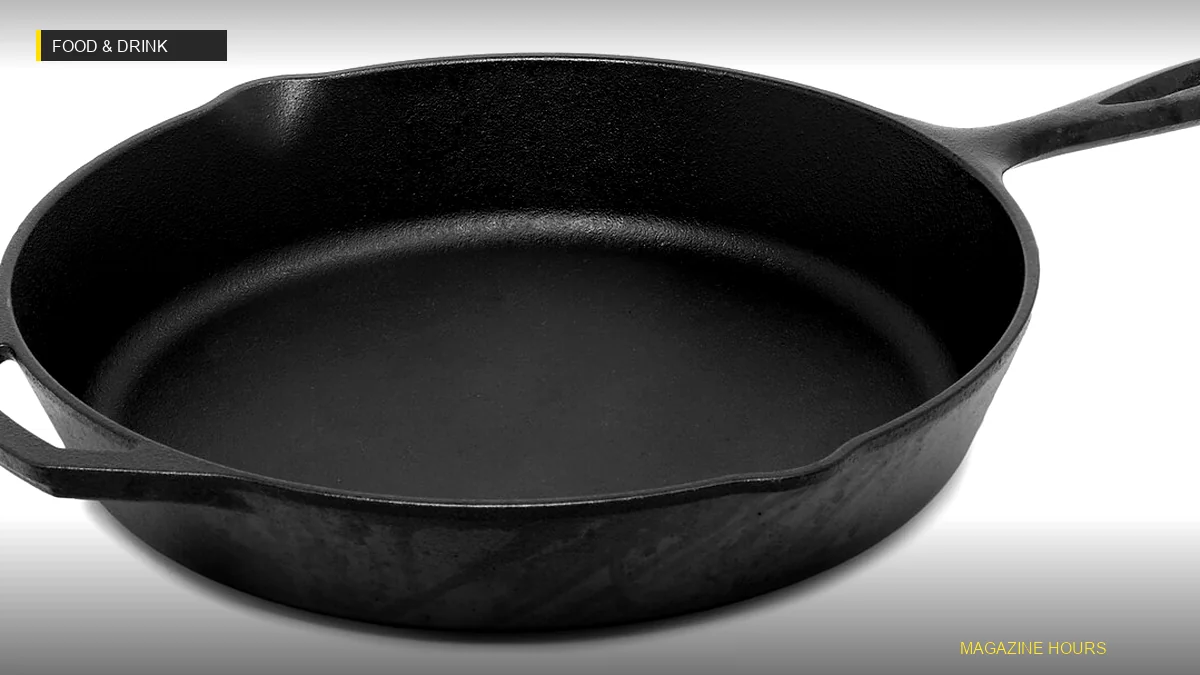
Cast iron and carbon steel are buy-it-for-life heirlooms. A $35 Lodge skillet will outlive your grandchildren, becoming slicker, darker, and more non-stick with every meal you cook.
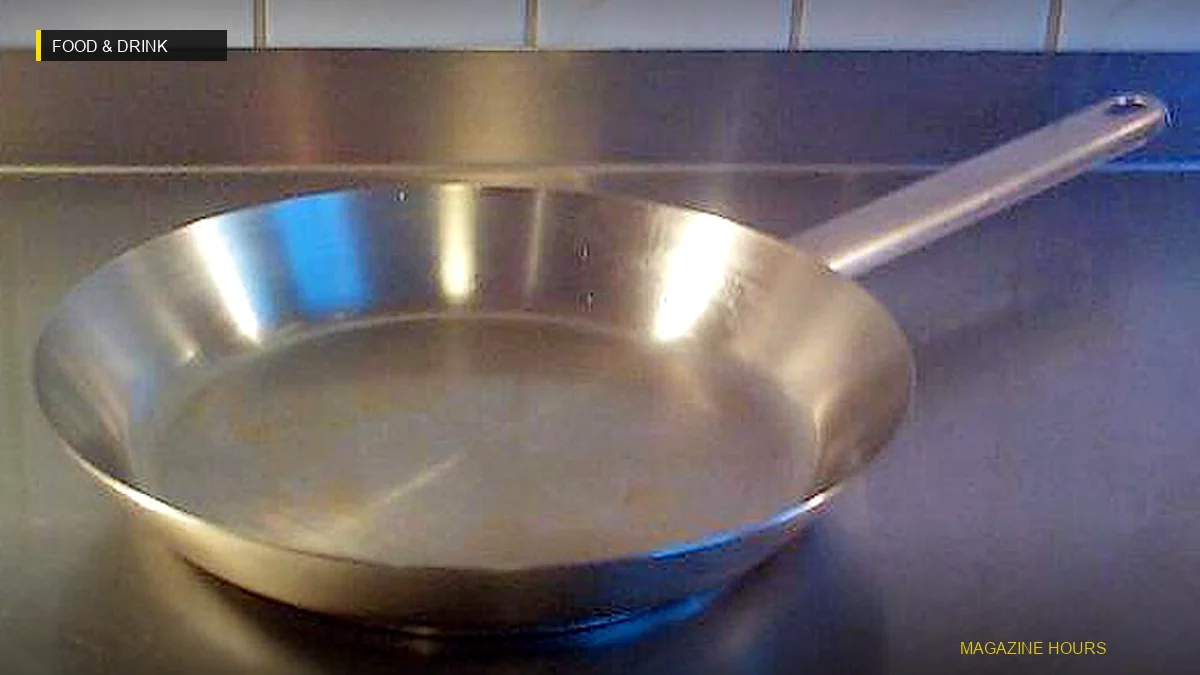
The Chemistry of ‘Seasoning’
Seasoning is not grease; it is polymerization. When a thin layer of polyunsaturated oil is heated past its smoke point in contact with iron, the fatty acid chains cross-link and bond with the microscopic pores of the metal, transforming into a hard, slick, glass-like polymer coating.
The biggest mistake cooks make is using too much oil. When seasoning, buff the pan with a dry paper towel until it looks completely dry, as if you made a mistake and wiped it all off. That microscopic sheen is what polymerizes into a durable diamond-hard finish.
Cooking Technique: The Heat Preheat Secret
Cast iron is actually a poor conductor of heat, but a phenomenal retainer of heat. It takes several minutes to heat up uniformly, so give your skillet a patient 5-minute preheat on medium-low flame before adding fat.
When the oil shimmers, drop in your ribeye or fried egg. Let the protein sit undisturbed; when a proper Maillard crust forms, the food will release naturally from the pan without sticking.
Key Takeaways and Summary
To put these insights into immediate, practical action:
- Prioritize intentionality: High-value results come from focused execution rather than frantic overexertion.
- Audit your environment: The tools, systems, and routines you tolerate determine your daily cognitive quality.
- Iterate continuously: Treat your habits as ongoing experiments that compound over months and years.